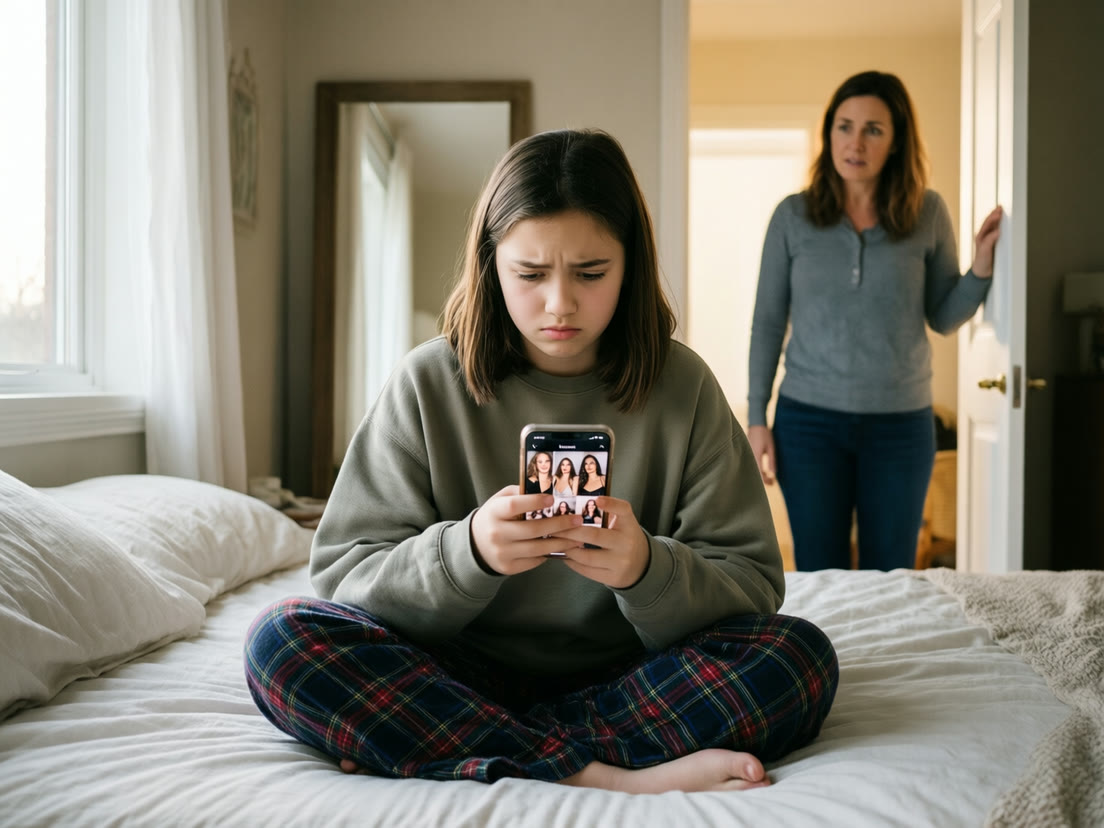
 46%
of teens aged 13–17 in a survey cited by the Surgeon General said social media made their body image worse.
Surgeon General, 2023 ↗Evidence for parents · Children through age 18
Kids need connection. Public social media can expose them to strangers, pressures and business practices that put them at risk.
Predators look for access to children. Advertising businesses profit from their attention and their data. Comparison, harassment and harmful content can follow a child home, into the bedroom, long after the lights go out.
The evidence gives families compelling reasons to choose a different place to share.
Why choose LoveYou360? → 46%
of teens aged 13–17 in a survey cited by the Surgeon General said social media made their body image worse.
Surgeon General, 2023 ↗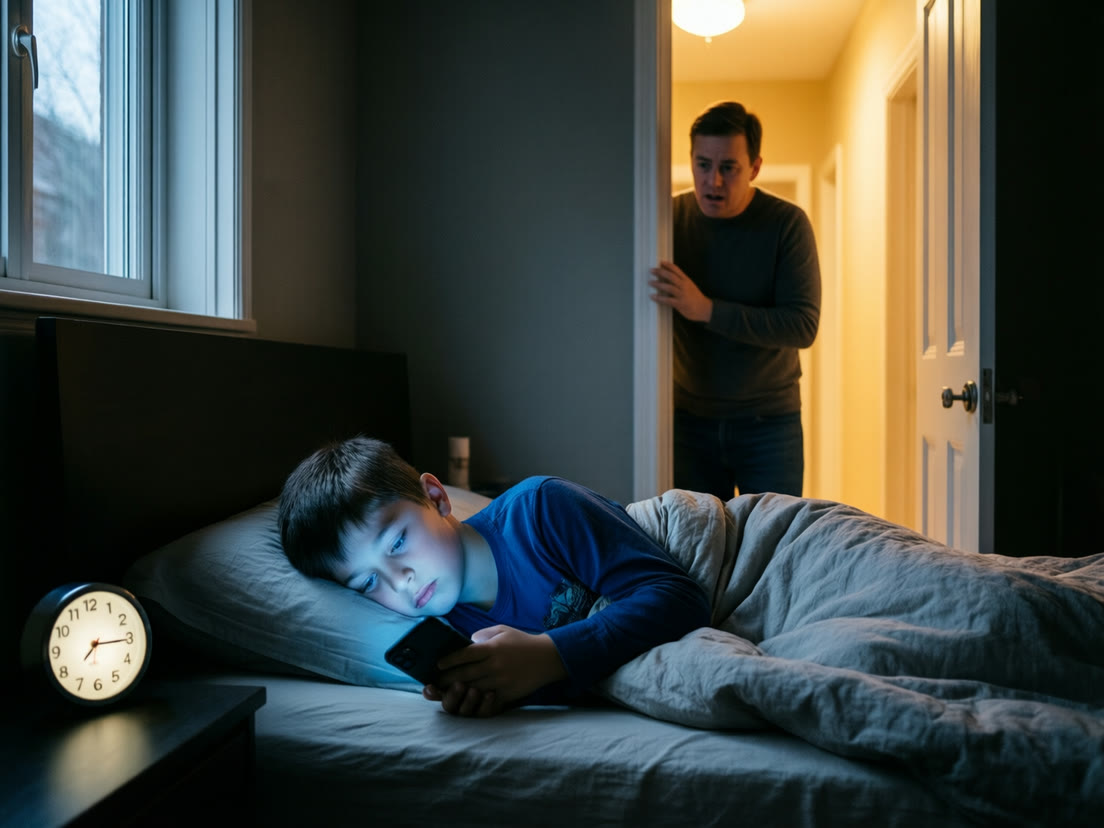 11%
showed problematic social media behavior in the 2022 WHO-linked survey of ages 11, 13 and 15, up from 7% in 2018.
WHO Europe, 2024 ↗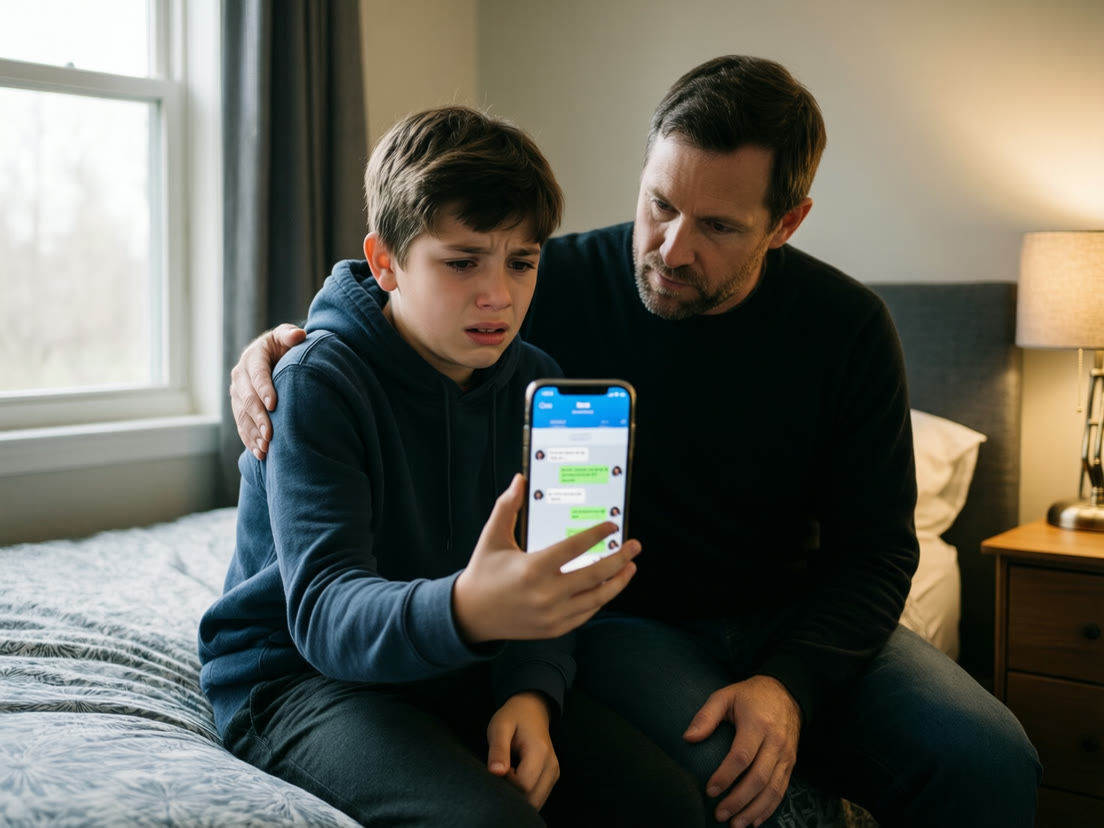 13,000+
reports of financial sextortion of minors were received by the FBI and HSI from October 2021 through March 2023.
FBI, January 2024 ↗What the evidence documents
 01
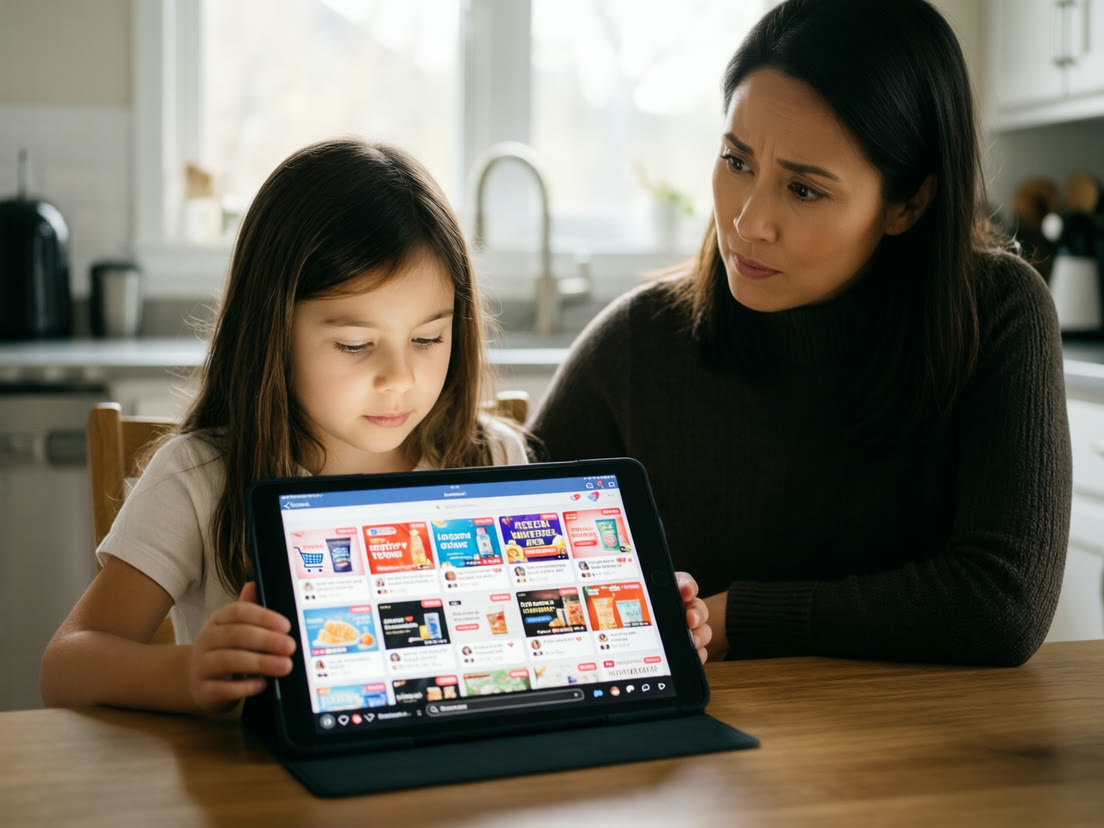
The FTC’s 2024 investigation found extensive collection and monetization of personal information, inadequate safeguards for children and teens, and limited control over automated uses of data. Many of the companies’ advertising incentives rewarded collecting more information and keeping users engaged. Teens were often treated like adults.
A child’s attention and behavior can have commercial value long before the child understands the transaction.
FTC: A Look Behind the Screens ↗ 02
The FTC’s 2023 staff perspective describes how advertising blended into influencer videos, games and entertainment can be difficult for children to recognize. A friendly face recommending a product may be delivering a paid marketing message.
Parents should not have to compete with commercial persuasion that their children cannot reliably identify.
FTC: Harms from blurred advertising to children ↗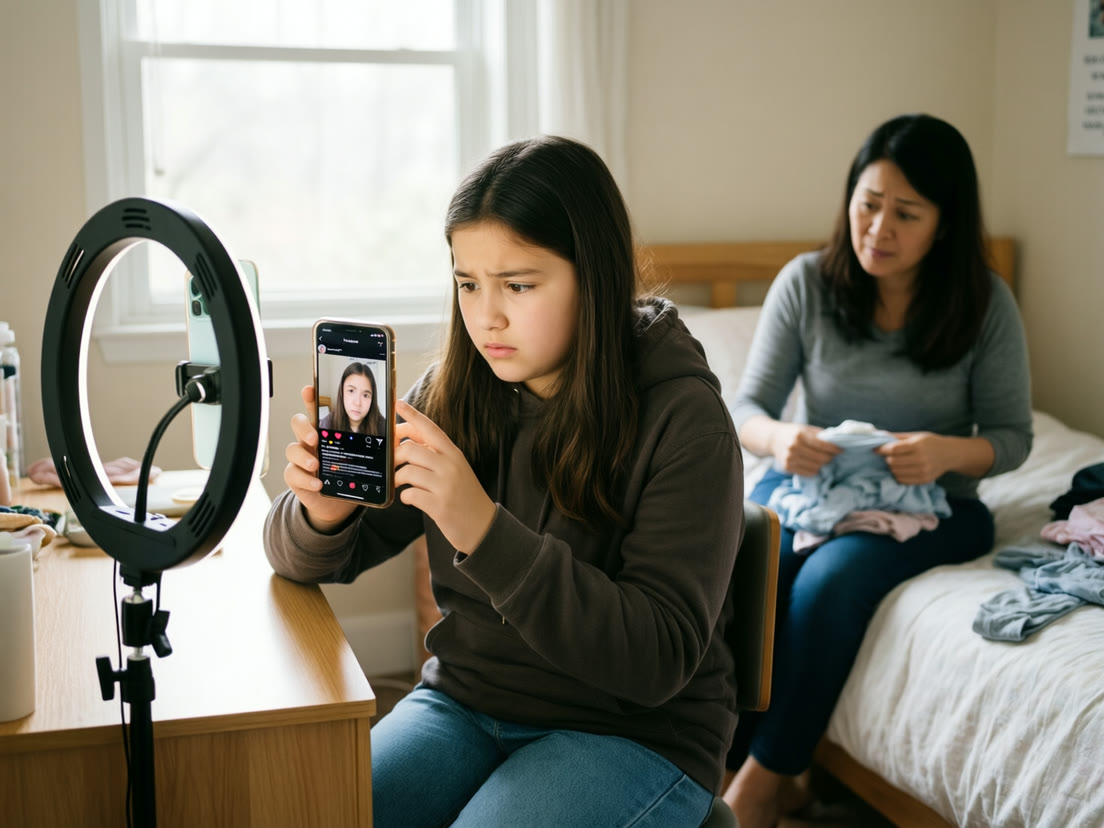 03
The Surgeon General’s advisory identifies body-image concerns. APA warns about appearance-based comparison and attention to feedback on photos. Research links these patterns with poorer body image, disordered eating and depressive symptoms, particularly among girls.
Public approval can turn an ordinary childhood moment into a performance for other people’s judgment.
Surgeon General’s advisory ↗ APA advisory ↗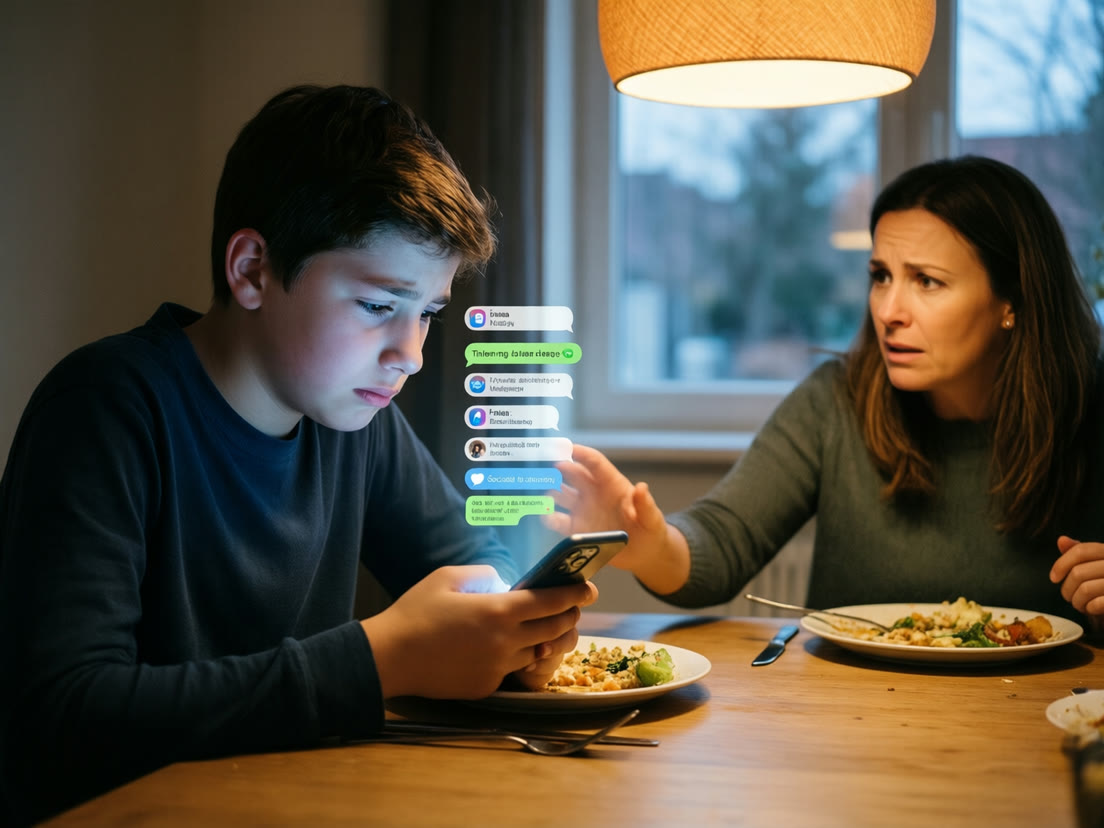 04
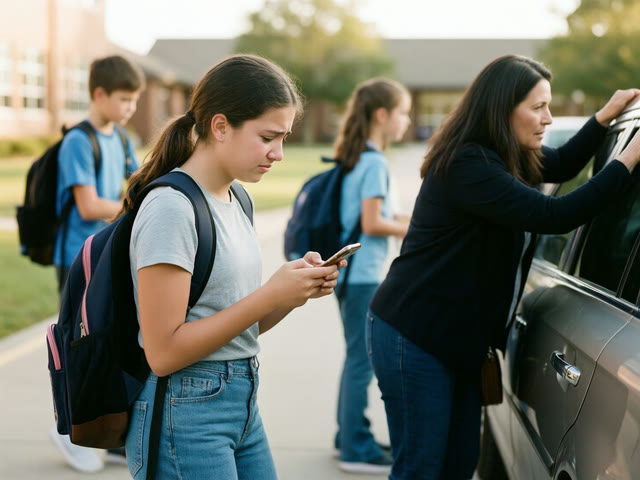
CDC’s analysis of the 2023 U.S. high-school survey found frequent social media use associated with more bullying at school and online, persistent sadness or hopelessness, and some measures of suicide risk. These are survey associations; they do not establish which factor caused another.
Harassment on a phone does not end when the school day ends. Its effects are real even when the interaction happens on a screen.
CDC: Frequent social media use, bullying and mental health ↗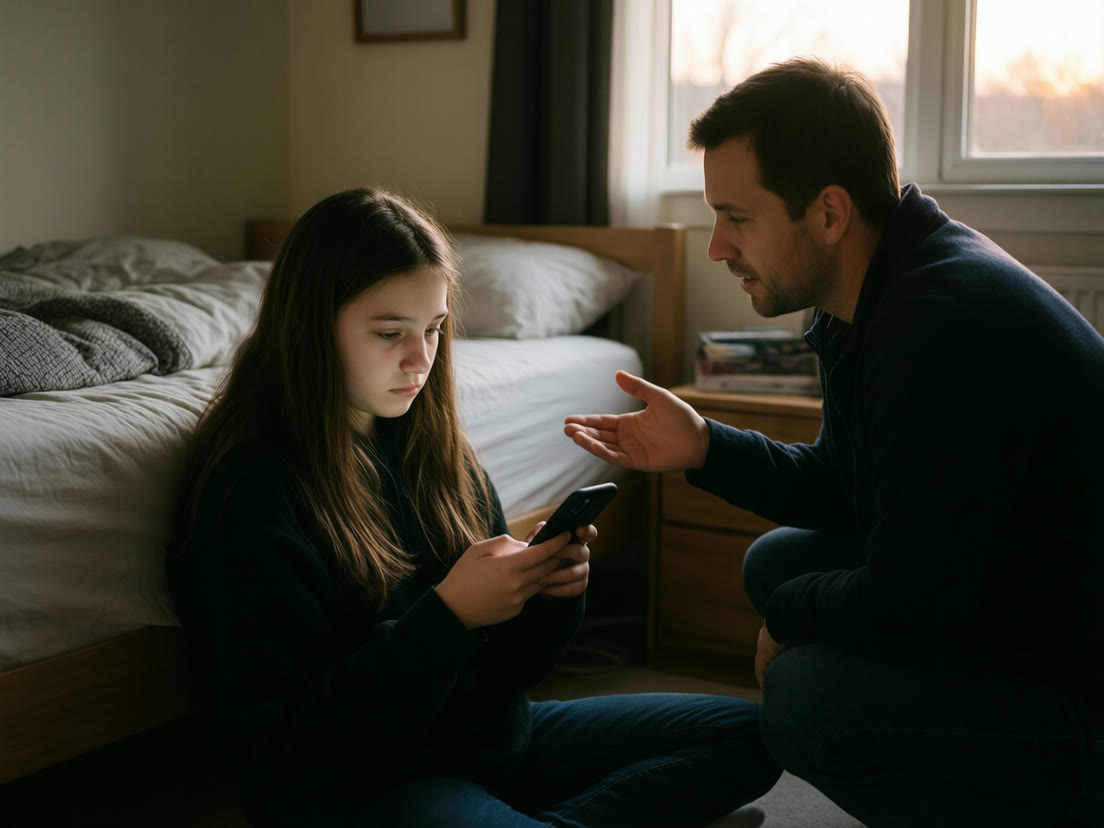 05
APA recommends minimizing and removing material that encourages self-harm, violence or disordered eating, and says technology should not steer young people toward it. It also recommends protecting sleep and physical activity from interference by social media.
Children deserve an online experience that makes room for their actual lives.
APA: harmful content, sleep and activity ↗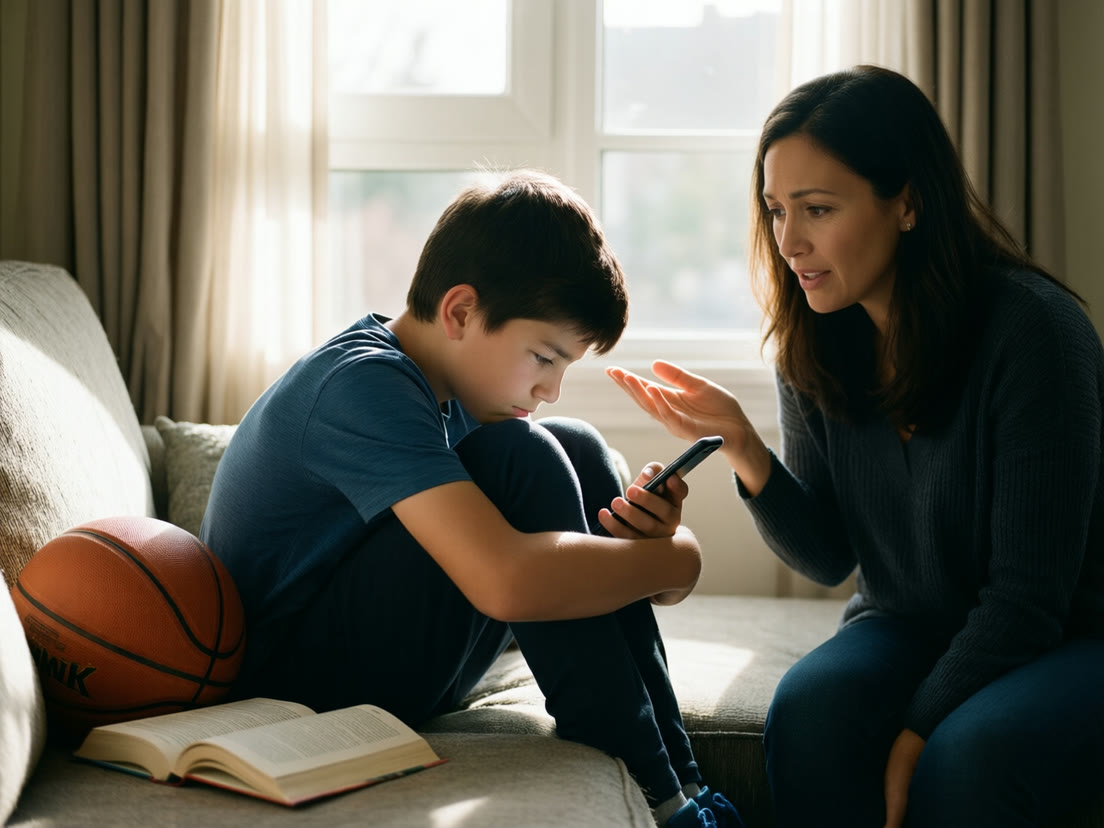 06
A longitudinal study followed 6,595 U.S. adolescents, aged 12–15 at baseline. More than three hours a day of social media use was associated with greater later risk of internalizing problems, including anxiety and depression symptoms. This was an observational study.
WHO’s 2022 survey also identified problematic use: difficulty controlling use and negative consequences for everyday life. Its 11% figure is a screening finding, not a diagnosis of addiction.
Platforms whose advertising rewards engagement are built to keep them scrolling. Your child’s evening deserves better.
Riehm et al., JAMA Psychiatry, 2019 ↗ WHO Europe, 2024 ↗Predators. Grooming. Sexual exploitation.
The FBI warns that sextortion can begin wherever people meet and communicate online, including social media, messaging and games. Offenders can impersonate peers, build trust, obtain intimate material, and use threats to demand more images or money. Children of different ages can be targeted.
In January 2024, the FBI reported more than 13,000 financial-sextortion reports involving minors during October 2021–March 2023, with at least 12,600 victims, primarily boys, and at least 20 suicides. Those figures concern reported crimes over a specified period; they do not measure the chance that any individual child will be victimized.
This is criminal exploitation. A child who is manipulated or threatened needs help, not blame. Public visibility and access to unfamiliar people deserve serious scrutiny before a child starts posting.
If a child is being targeted, use the FBI’s reporting guidance and NCMEC’s CyberTipline. NCMEC’s Take It Down helps limit the online spread of intimate images taken before age 18.
From childhood through age 18
Most of the mental-health evidence here concerns adolescents. It cannot establish safety for younger children. These are practical family choices informed by the risks—not age-specific test results for LoveYou360.
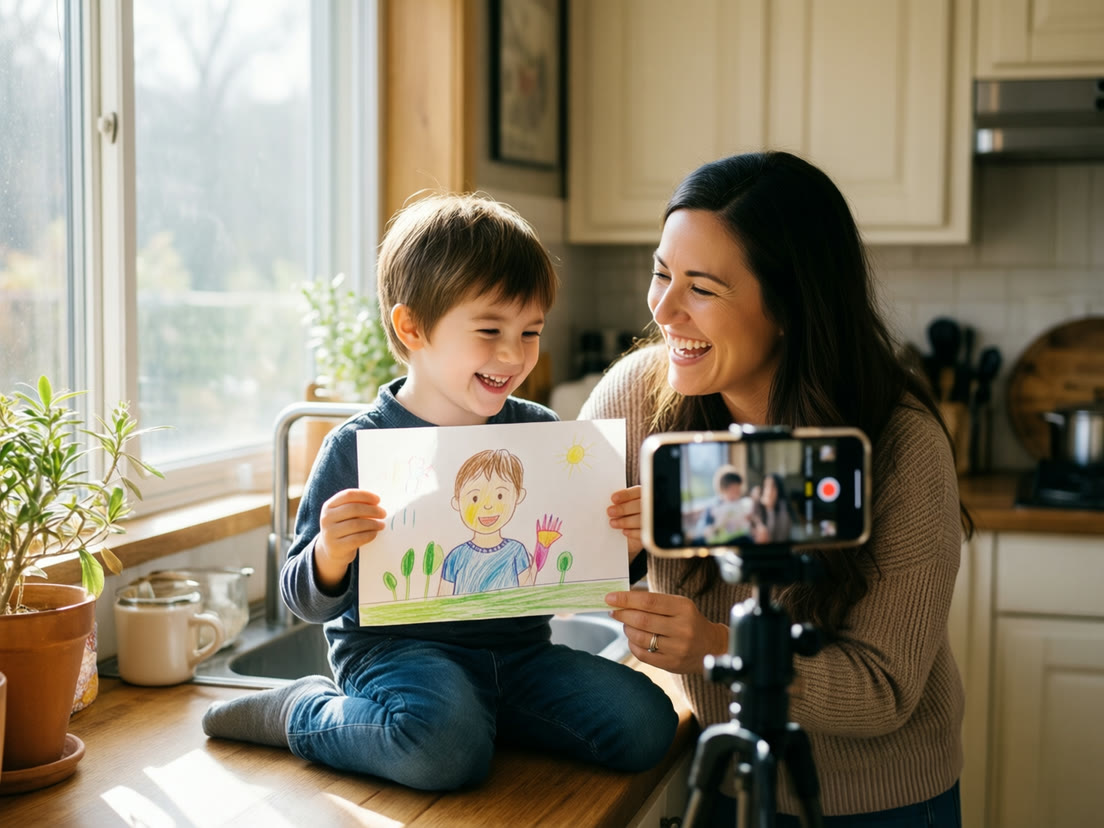
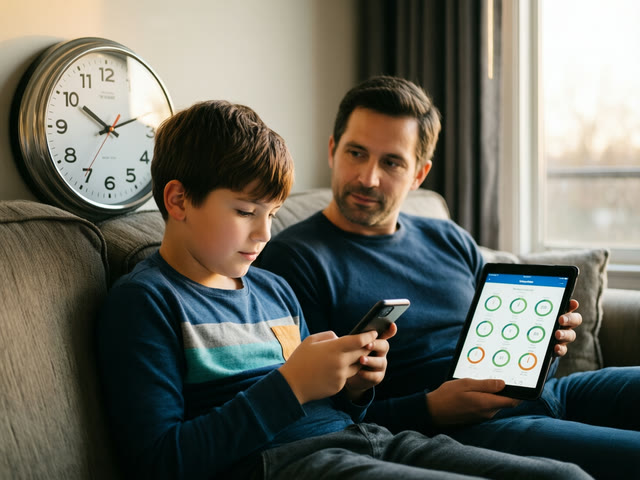
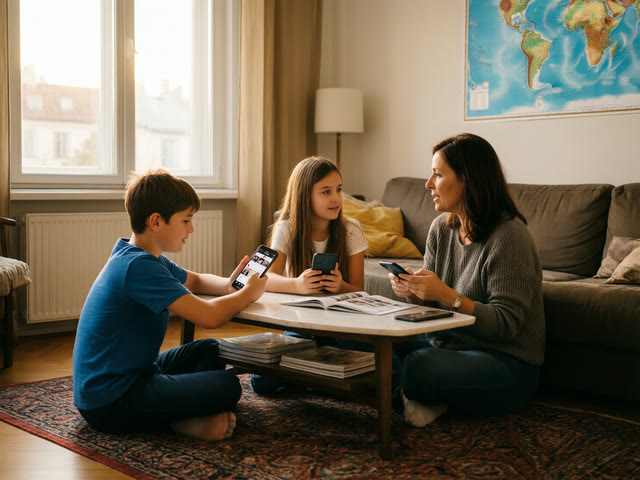
Share family videos together on a parent’s device. Keep adults involved in recording, recipients and playback. Children can enjoy creating without having a public profile or a personal audience of strangers.
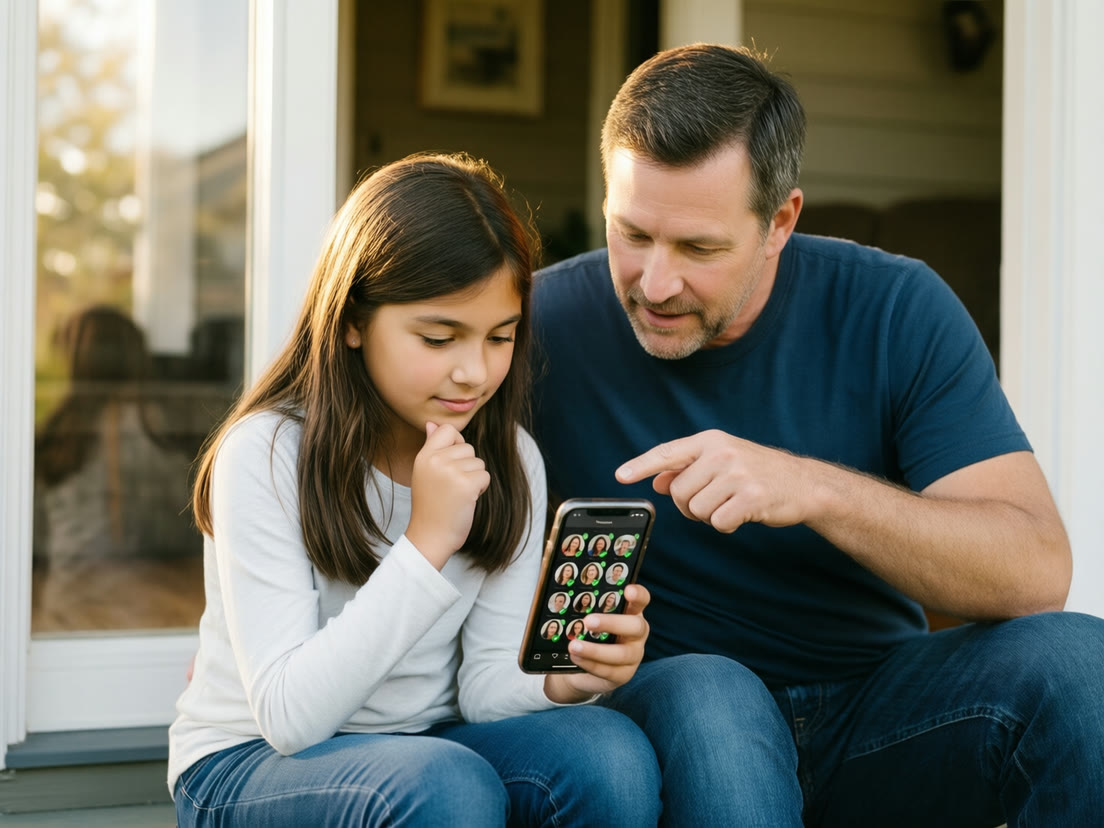
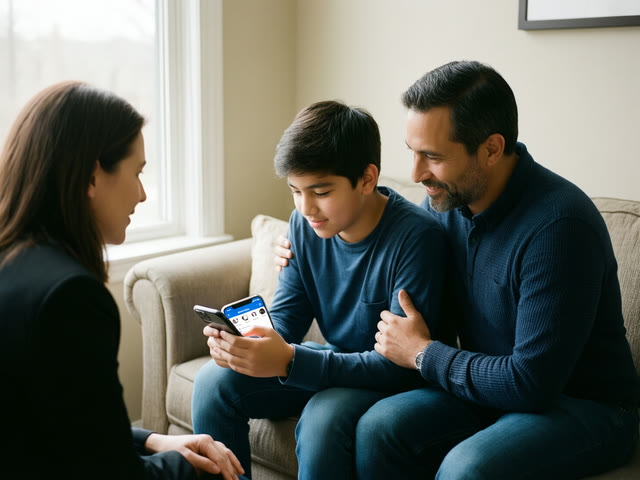
Practice choosing recipients and asking before sharing someone else’s image. Talk about advertising and unfamiliar contacts. APA recommends ongoing adult coaching in early adolescence, typically ages 10–14.
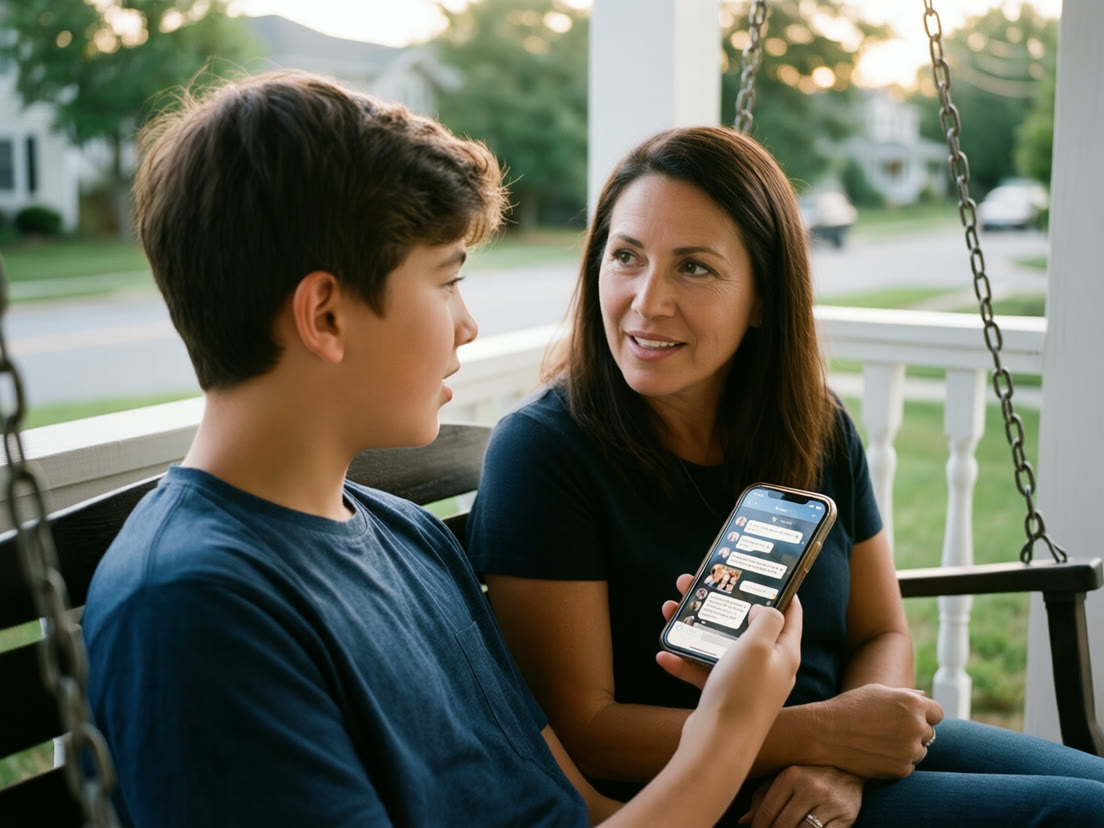
Take peer pressure, comparison and private messages seriously. Keep communication open. A platform allowing an account does not mean every child is ready for its content or contact features.
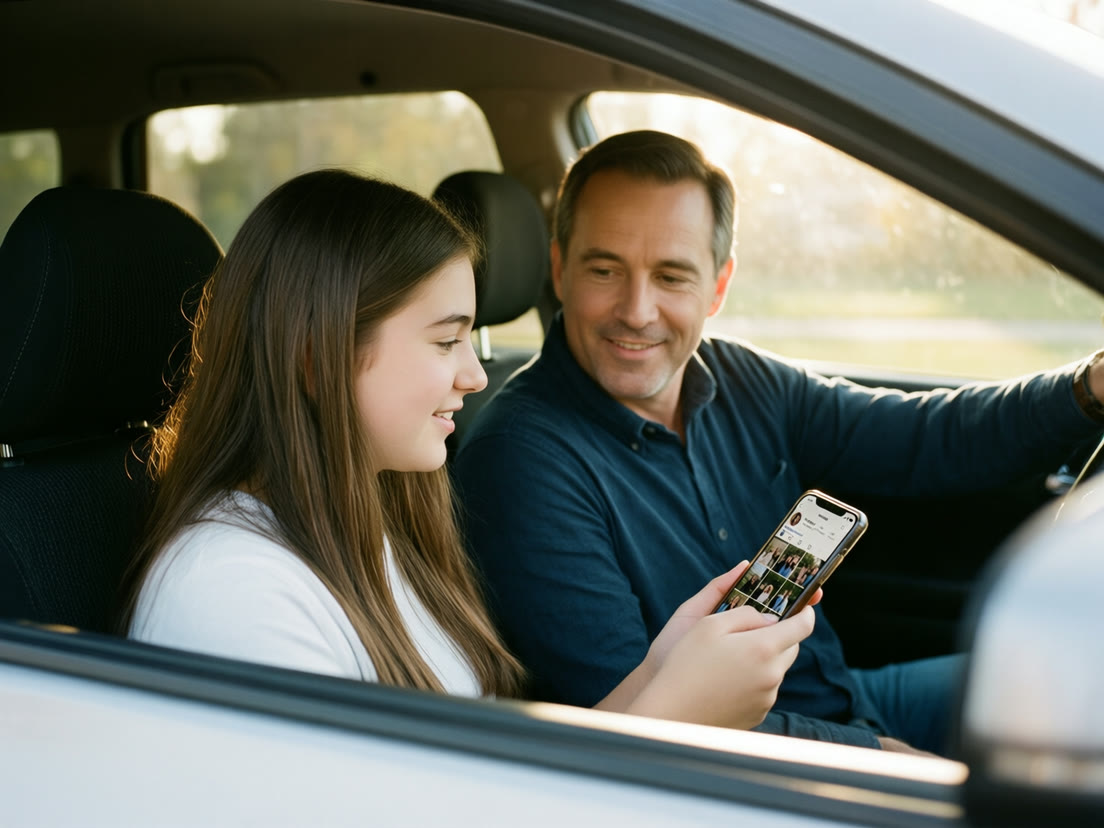
Respect growing independence while continuing conversations about consent, manipulation, privacy and sleep. Older teenagers also need trusted adults and a place to share without performing for a public audience.
Social media can also support friendship, creativity and communities, including for young people who feel isolated offline. The National Academies’ 2023 review did not establish that social media causes population-wide changes in adolescent health. Effects vary with the child, the content and the platform’s features.
That does not erase documented harassment, commercial exploitation or predatory crime. It means families should address specific risks rather than treat every online interaction as identical.
National Academies: evidence, benefits and harms ↗The case for LoveYou360
Kids want to post. They want someone to notice. LoveYou360 gives them a private place to create video capsule messages and share with in-app friends and family as allowed by their parent. You can see their excitement and send your own video back, even around a busy workday.
| Risk to address | The LoveYou360 family-sharing approach |
|---|---|
| Public visibility and unfamiliar contacts | No public discovery feed for children. Family roles and parent-controlled sharing put recipient choices at the center. |
| Seeking approval from an unknown audience | Video posts go to selected friends and family. A parent or grandparent can answer with personal encouragement. |
| Entertainment that crowds out family conversation | Use a video to start a real exchange: their news, your reply, something to talk about when you are together. |
| Losing the moments that make childhood theirs | Saved video capsules let the family return to expressions, stories and memories over time. |
CDC research links supportive household adults and parental monitoring with lower prevalence of several adolescent mental-health and suicide-risk indicators. That supports taking family involvement seriously; it does not prove that an app produces those outcomes.
CDC: family and other protective factors ↗Our case for LoveYou360 is based on its family-sharing design. LoveYou360 has not been shown in a clinical trial to prevent depression, grooming or abuse. Any invited person can behave badly, an account can be compromised, and recipients can copy a video. Choose trusted people, respect a child’s privacy, and keep talking about what happens online. The app does not block other services.
Your child’s first audience should have a lasting stake in their life. Make family the people they turn to.
See family video sharing →Check the evidence yourself
Reviewed October 18, 2026. Publication dates and study periods are stated below. Research on social media and institutional findings are independent of LoveYou360; inclusion does not imply endorsement.

2023 advisory; overview reviewed February 2025
Evidence review covering children and adolescents; includes a body-image survey of ages 13–17.
JAMA Psychiatry, 2019
Longitudinal U.S. cohort, 6,595 participants; ages 12–15 at baseline. Observational, not a randomized trial.
2023 YRBS; published October 2024
Nationally representative U.S. high-school survey. Cross-sectional associations.
2023
Evidence-based recommendations on harmful content, comparison, sleep, literacy and adult involvement.
September 2024; survey data from 2022
Almost 280,000 young people aged 11, 13 and 15 across 44 countries and regions in Europe, central Asia and Canada.
September 2024
Regulatory investigation of nine major companies, based on responses to information orders issued in 2020.

September 2023
Staff perspective drawing on a workshop and evidence about advertising embedded in entertainment.
Current guidance; accessed October 18, 2026
Law-enforcement guidance on coercion, fake identities and sexual exploitation online.
January 22, 2024
Financial-sextortion reports received October 2021–March 2023; report counts are not prevalence estimates.

December 2023 consensus report
Reviews benefits, harms and the limits of population-level causal evidence.

2023 YRBS; published October 2024
Associations with sleep, supportive household adults, parental monitoring and school connectedness.